
5 Things That Actually Support Your Mental Health When You Have ADHD
Having ADHD can be exhausting for your mental health. Not because ADHD itself is a character flaw, but because many of us spend years masking, over-functioning, forgetting things, feeling "too much," being misunderstood, and trying to meet standards that were never designed for our brains.
For Black women especially, there can be another layer: the pressure to be strong, capable, grateful, and "holding it together" even when you are running on empty.
So today, no "just wake up at 5am" advice. Here are five things that can genuinely support your mental health as someone with ADHD.
Make Rest Part of the Plan

ADHD brains often swing between hyperfocus, overwhelm, and burnout. Rest is not a reward for finishing everything. It is part of how you stay well.
Try this: put one non-negotiable rest block in your week. Not "rest if I have time." Actual time. A walk, a nap, a show, silence, a bath, lying down with your phone in another room.
Sleep matters too. A consistent bedtime, a calming wind-down routine, and reducing screens, caffeine, and alcohol close to bedtime can help support both sleep and mood.
Lower the Bar on Hard Days
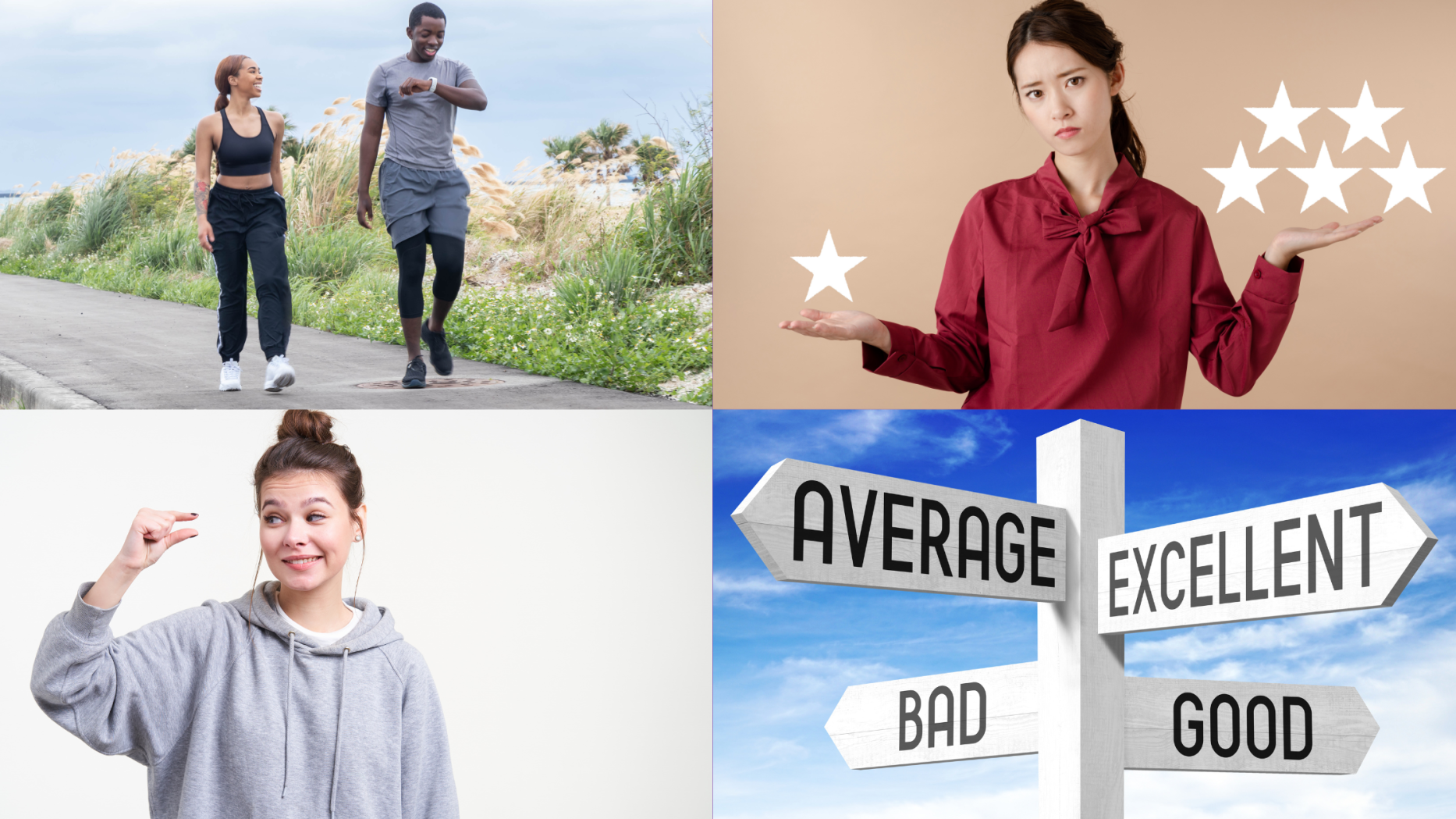
You do not need to become a completely different person to be "doing well."
On low-capacity days, ask: what is the smallest version of this that still counts?
- Instead of cleaning the whole house: clear one surface.
- Instead of a full workout: stretch for five minutes.
- Instead of answering every message: send one voice note.
- Instead of "fixing your life": drink water and do one small next thing.
Breaking tasks into smaller chunks and using reminders, planners, or visual cues can make daily life feel less overwhelming.
Move Your Body in a Way You Do Not Hate

Exercise does not have to mean a gym membership, a 6am run, or punishing yourself for what you ate.
Movement can help release physical and emotional energy, and NHS guidance notes that physical activity can help reduce anxiety and depression symptoms, which can also make ADHD symptoms feel harder to manage.
Choose something you might actually repeat:
- A walk while listening to a podcast
- Dancing in your kitchen
- A short YouTube workout
- Stretching before bed
- Walking while taking a call
Name What You Are Feeling Before It Explodes

ADHD can come with big emotions: rejection sensitivity, frustration, shame, irritability, overwhelm, and sudden crashes after stress or overstimulation.
You do not have to "positive vibe" your way through that. Sometimes the most supportive thing is to name it:
Things you can say to yourself
- "I am overstimulated."
- "I am ashamed, not lazy."
- "I am anxious because I have too many open loops."
- "I need ten minutes before I respond."
- "I am not failing. My capacity is low today."
Simple grounding practices, pausing, breathing, changing your environment, or delaying a reaction, can help create space between the feeling and the response.
Get Support That Understands ADHD

You deserve support that does not reduce you to "just try harder."
That might look like:
- Talking to your GP about your mental health
- Asking for an ADHD-informed therapist or counsellor
- Joining a peer support space where people get it
- Working with an ADHD coach for practical strategies
- Letting one trusted person know what you are struggling with
Mental health counselling, ADHD-informed therapy, coaching, and peer support can all be helpful parts of a wider support system.
Social media can give you language and community, but it cannot diagnose you. If anxiety, depression, trauma symptoms, or burnout are affecting your daily life, you deserve professional support, not just another motivational quote.
You are not "bad at life."
You may be living with a brain that processes, feels, focuses, and responds differently, while navigating a world that often expects you to cope silently. That is a lot. Be gentle with yourself today. Pick one thing from this post, not all five. That is enough.
Join the Community
You don't have to figure this out alone. Join the ADHD Baddies community: get announcements, discounts on events and connect with people who understand exactly what you're going through.
Join the Community
Follow Us
Daily content on TikTok, Instagram and YouTube, education, representation, and real talk about ADHD.
Support the Movement
ADHD Baddies is community-funded. If this content means something to you, a donation keeps it going and the events affordable for everyone.
Donate Here